Gardening for Seniors
_________________________________________________________
Whether
you are physically challenged or not, it is important to point out that gardening can be a healthy, exciting,
creative exercise, regardless of your age.
This means that gardening for seniors is not only possible but highly encouraged.
In fact, numerous studies have demonstrated that regular physical gardening activity can reduce the risk of many
conditions such as high blood pressure, osteoporosis, depression, and strokes.
Not only this, but gardening can improve your strength, stamina, and can increase your flexibility. So give
your body and mind a workout and involve yourself in gardening!
Gardening has a number of health and therapeutic benefits for the elderly, especially when an edible garden is
created. Garden beds, equipment, and tools can be modified so that a garden can be formed that is worthy of
note, accessible, and fruitful.
In a word, gardening for seniors is a topic that provides a lot of healthy and beneficial consequences for
elderly gardeners.
Garden-Related Activities for Seniors
There are numerous activities associated with developing a garden that seniors may
enjoy. These include the following:
- digging
- watering
- planting
- sowing
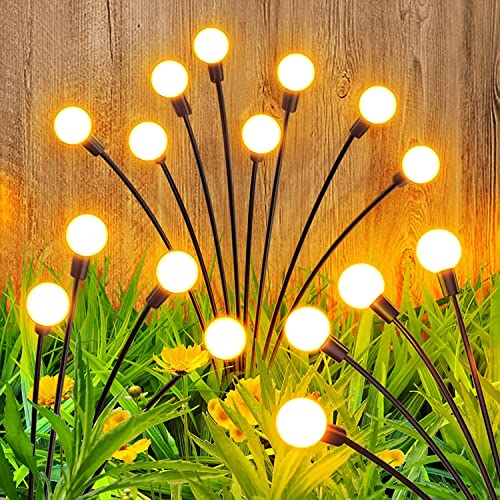
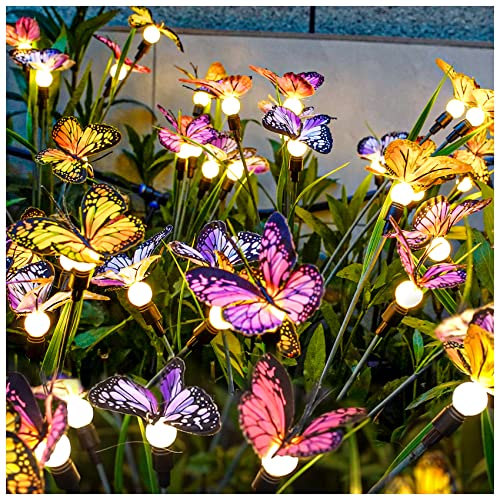
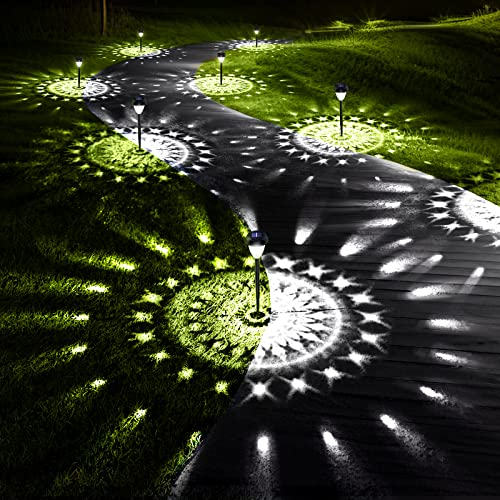
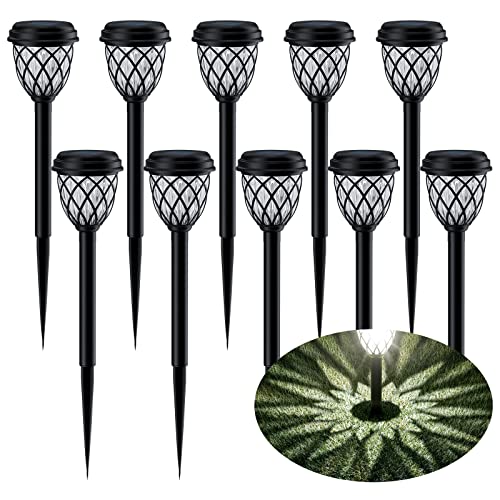
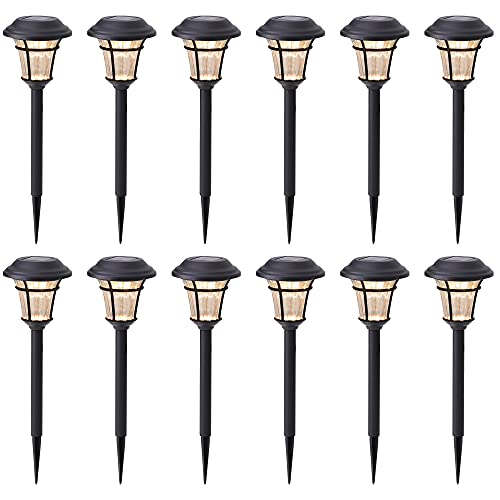
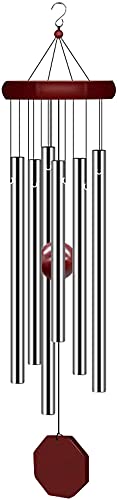
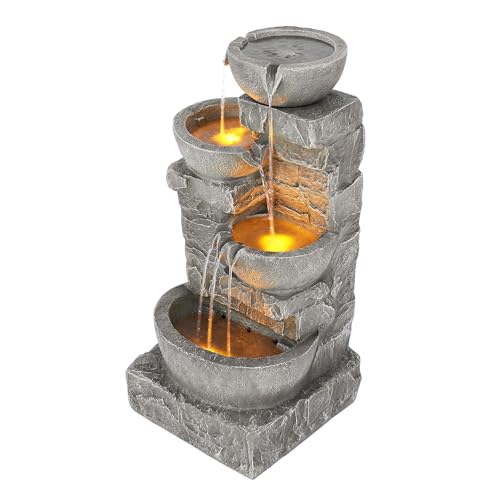
- adding special garden decor accents, ornaments, and accessories to their garden
- food preparation
- weeding and mulching
- harvesting food
- preparing fruits and vegetables
- picking and arranging flowers
- pruning and clipping
- engaging in crafts and hobbies that are associated with flowers and plants
Any one of these activities can improve a person’s quality of life and can have a profound effect on the way in
which a person ages.
Container Gardening
Seniors
often find themselves living in smaller homes or apartments. This sometimes makes seniors feel that they
have been forced to give up the pleasure of growing things in their garden.
With a little bit of creativity, however, the lack of space can be overcome by growing vegetables and flowers in
containers.
Indeed, a windowsill, a balcony, or a patio can provide enough space for a mini-vegetable garden.
In fact, vegetables such as tomatoes, beans, zucchini squash, green onions, peppers, eggplant, and lettuce are
well suited for growing in containers.
If you are feeling energetic you can start your own vegetables from seed. If you are not feeling up to
this, however, you can purchase transplants from your local nursery.
To find out more information about container gardening, please see our garden related articles section.
Planter Gardening
Much that applies to containers, as far as gardening is concerned, also pertains to planters. For instance,
people who have problems navigating the outdoors might consider using planters inside their homes.
Indeed, not only can planters be located in places that provide
easy accessibility, but they can also be placed at a height that gives the person maximum gardening space
within normal reach.
Not only this, but planters can become permanent or temporary gardening structures, depending on the needs and
wants of the person. For instance, they can be moved to allow more sunlight or moved to avoid "accident"
during other indoor activities.
Another positive attribute of planters is that they warm quickly and easily drain. This leads to the
growing of early crops. And because seedlings can be started in indoor planters when the weather is not conducive
to growing plants outside, the growing season can actually be extended.
In addition, planters, because they are so mobile and accessible, they easily solve the problems of poor soil or
soil-related diseases. Not only this, but they also foster creativity by affording indoor gardeners to become more
novel with their interior plant structures.
And finally, planters have a positive psychological component too. Let's face facts: some people get
depressed and defeated just thinking about all the work that an outdoor garden entails. Using indoor planters,
on the other hand, can reduce frustration and other negative emotions by letting the individual focus on smaller,
more easily managed growing areas. This, in turn, can lead to feeling of success and accomplishment!
Gardening Safety Tips
It is estimated that more than 22 million senior citizens in the United States involve themselves in
gardening. Since this is such a popular activity, consider enhancing the gardening experience by following
some of these safety tips.
Before starting a regular gardening program, check
with your doctor to see if you have any medical concerns.
- Take regular breaks (preferably in cool places) and don't forget to stretch and change position often.
- Since some medications may cause heat or sun-related problems or discomfort, discuss your medications with
your doctor.
- Drink plenty of water or juice, especially during the late Spring, Summer, and early fall when the outside
temperature is usually quite warm. Avoid drinking alcohol.
- Bend at the knees and remember to use your legs when lifting heavy objects.
- Follow safe operating procedures when using any equipment or tools.
- Store garden tools and equipment in a safe manner.
- Follow safety instructions when using sprays, chemicals, fertilizers, etc.
- If you do not wear gloves, make sure to wash hands with soap and water after handling soil, chemicals, and
fertilizers.
- Not unlike any other form of strenuous activity, make sure you warm up and do some stretching exercises
before you start to work in your garden.
- Even when it is cloudy, make sure to wear sunscreen.
- When gardening, eat light meals.
- When involved in gardening, make sure you wear protective clothing such as knee pads, gloves, a hat or
visor, lightweight comfortable clothes that cover bare skin, and comfortable working shoes or boots.
- Get immediate and proper first aid for bruises, cuts, or insect bites.
- Since Legionnaire's disease has been connected to handling potting mixes, wear gloves and a face mask and
wash your hands with soap and water after handling soil.
- Make sure that paths and walkways are clutter free, easily navigable, and slip-free.
Gardening Tips For the Disabled
In spite of the great popularity of gardening among seniors, for those who suffer from arthritis and other
disabling medical conditions such as osteoporosis or sciatica, gardening can cause discomfort and
frustration. If this applies to you, consider some of the following suggestions and tips that may make
gardening more rewarding and enjoyable.
Paint your garden
tools with a vivid color to make them easier to locate.
- Try spending more time inside working on container gardening and other indoor gardening projects.
- If you are fearful of accidents happening during outside activities, consider gardening with others in
areas that make you feel safe (such as enclosed or fenced-in garden).
- Add foam tubing to the handles of your garden tools in order to soften the grip.
- Use knee pads or kneeling pads (such as old rugs) to help protect your knees.
- Add longer handles or extender handles to your tools to reduce bending and stooping.
- Use a lightweight garden stool to reduce stooping, bending, or kneeling.
- Purchase a rolling cart/stool that will allow you to sit and rest as you transport your tools.
- Buy a portable lightweight canvas wheelbarrow to transporting tools, gardening supplies, and heavy items
like soil, rocks, or mulch.
Why Gardening is Special
For some
people who involve themselves in gardening, there is a sense that they have control over a small part of their
world. Indeed, working with plants and flowers can give a person a sense of importance because of the
dependence the that plants and flowers have on the person who is caring for them.
Working with plants and flowers can be physically demanding and can be a lot of work. For the most part,
however, gardening is seen as a positive form of physical activity that functions as a worthwhile substitute for
work. In short, gardening for many people is viewed as a meaningful activity.
Gardening provides an opportunity for people to tap into their creativity due to the fact that a people can
plant and organize the garden any way they desire. One of the ways in which a person can express his or her
personality in the garden is to add special garden decorations and garden ornaments to his or her garden.
Indeed, adding garden accessories and garden accents to a garden can enhance the overall garden experience. In
short, adding garden decor and garden ornaments to a garden can add something "special" to a person's garden and to
his or her life.
Spending time working in the garden can give a person a tremendous sense of accomplishment. Watching things
grow and realizing the part you played in the growth process can be quite fulfilling.
In this fast-paced society, sometimes it seems that all a person can do is to maintain the
rat-race. Gardening, on the other hand, can help a person slow down and get away from the hectic pace of life
by enabling him to engage in activity that is seen as meaningful. In a word, gardening can offer a person
something of value to help anchor his or her presence in the world.
There seems to be some sort of connection we have with the earth. Gardening, perhaps more than most
activities, can help a person experience a feeling of at one-ness with nature and with the earth.
The Secret to Gardening Success
What’s the secret to gardening success? Remember to water and fertilize your plants without overdoing it
and make sure you provide them with plenty of sunlight.
Have patience while the vegetables are growing and when they become ready to use in the kitchen, you can then
enjoy the fruits of your labor. And keep in mind that by adding garden decor accents and accessories to your garden
will surely upgrade your overall gardening experience.
Please Add Our Website To Your Favorite Bookmarks!
____________________________________________
|